Why Diabetic Eye Exams Are Important Even When Your Vision Seems Normal in Houston

Why Diabetic Eye Exams Are Important Even When Your Vision Seems Normal in Houston

Why Diabetic Eye Exams Are Important Even When Your Vision Seems Normal in Houston

Why Diabetic Eye Exams Are Important Even When Your Vision Seems Normal in Houston

Why Diabetic Eye Exams Are Important Even When Your Vision Seems Normal in Houston

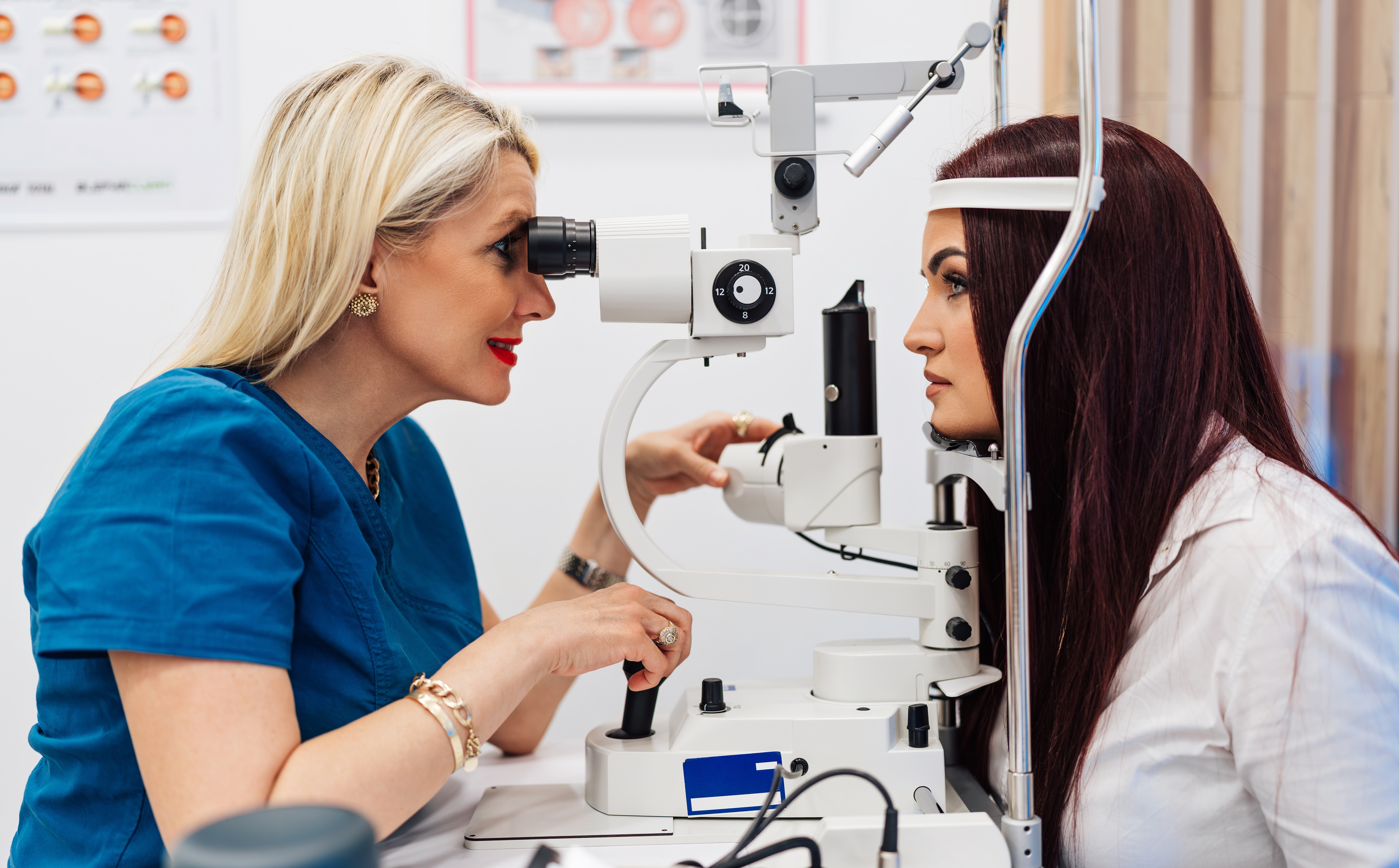
Seeing clearly does not always mean your eyes are healthy. If you have type 1 or type 2 diabetes, changes can develop inside your eyes long before you notice blurred vision or discomfort. At Vision Concept in Houston, we encourage patients with diabetes to prioritize regular diabetic eye exams, even when their eyesight feels completely normal.
Diabetes Can Damage Your Eyes Without Warning
Over time, elevated blood sugar can damage the small blood vessels that nourish the retina, the light-sensitive tissue at the back of your eye. This damage can lead to diabetic retinopathy, a condition that may cause leaking blood vessels, swelling, or abnormal vessel growth.
In its early stages, diabetic retinopathy often has no noticeable symptoms. You may still read, drive, and work without difficulty while retinal changes are developing. Diabetes can also cause diabetic macular edema, which involves swelling in the part of the retina responsible for sharp central vision.
The goal of a diabetic eye exam is to identify these changes early, when monitoring and timely treatment may help protect your sight.
What Happens During a Diabetic Eye Exam?
A diabetic eye exam evaluates more than your ability to read an eye chart. Our Houston eye care team examines the health of your eyes, with particular attention to the retina and its blood vessels.
Your examination may include dilating eye drops to give us a clearer view of the back of your eyes. Retinal imaging may also help document changes over time. We review our findings with you and discuss whether continued monitoring, coordination with your diabetes care provider, or referral for specialized treatment is appropriate.
Changes and Symptoms You Should Know
Although diabetes-related eye damage may begin silently, certain symptoms deserve attention. Contact an eye care professional if you notice:
· Blurred or fluctuating vision that does not resolve
· New dark spots or floaters in your field of vision
· Difficulty seeing fine details or reading clearly
· Distorted vision, including straight lines appearing wavy
· New areas of missing or reduced vision
These symptoms do not necessarily mean you have diabetic retinopathy, but they should not be ignored. Sudden vision loss, a sudden shower of floaters, flashes, or a curtain-like shadow requires urgent evaluation.
How Often Should You Have a Diabetic Eye Exam?
The recommended schedule depends on the type of diabetes, how long you have had it, and whether previous examinations showed retinal changes. People with type 2 diabetes generally need a dilated eye examination when diagnosed. Those with type 1 diabetes are typically advised to begin screening within five years of diagnosis.
Many patients need examinations at least annually, although your eye doctor may recommend a different interval based on your results and medical history. Keeping blood sugar, blood pressure, and cholesterol well managed also supports long-term eye health, but it does not replace routine screening.
Schedule your diabetic eye exam with Vision Concept in Houston, TX, by calling (281) 407-4886 and let us help you monitor your eye health before symptoms appear.


Contact Information
Hours of Operation
- Monday 9:00 AM - 5:00 PM
- Tuesday 9:00 AM - 5:00 PM
- Wednesday Closed
- Thursday 9:00 AM - 5:00 PM
- Friday 9:00 AM - 5:00 PM
- Saturday 9:00 AM - 3:00 PM
- Sunday Closed
© 2026 Vision Concept - All Rights Reserved - Accessibility Statement - Privacy Policy - Sitemap
Powered by